
Optimize Wall Angle layout to maximize efficiency of Automatic ceiling T- Grid making machinery
When you plan to produce ceiling T-shaped brackets by yourself, you need to consider issues such as how to arrange the workshop, whether the ground can bear the weight of the machines, and whether the three machines can fit in the workshop. These are all questions that need to be clarified in advance. Many people only care about how fast the machines run, but they ignore the size and weight of the machines. As a result, when the machines arrive, buyers find the units cannot fit, or the thin floor triggers vibrations, resulting in uneven produced brackets.
Today, I'll start by giving an example of the Wall Angle Roll Forming Machine, explaining its dimensions, weight, speed, and tolerances in detail. Then I'll show you how the three machines should be coordinated, so that you have a clear understanding.
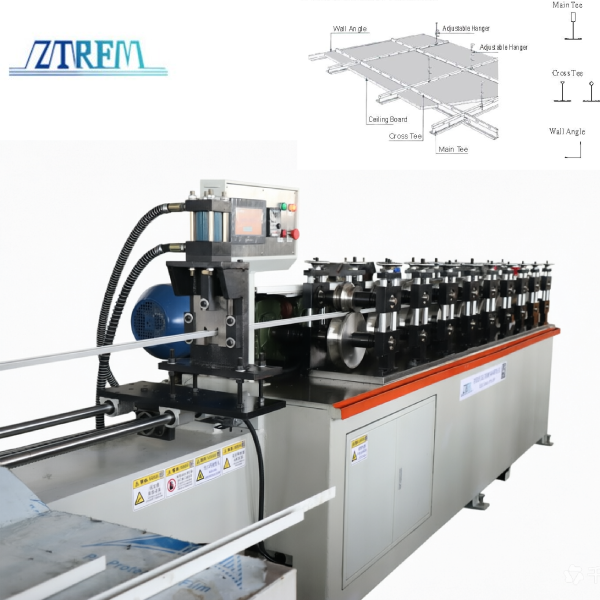
Information about the Wall Angle Roll Forming Machine
This Wall Angle Roll Forming Machine weighs 2.8 tons and the main body is 4.5 meters long.It does not occupy much workshop space, yet its weight calls for a solid floor foundation. If the ground is not firm enough, the machine will shake when it starts, and the resulting Wall Angle bars will be prone to bending.Please measure your workshop space in advance to confirm a proper installation spot for the machine.
| Parameter Item | Technical Data |
| Main body dimension | 4500×1000×1400mm, weight 2.8 tons |
| Decoiler | 1.5t passive decoiler, coil ID 450-550mm, width 300mm |
| Forming roller quantity | 8 rollers |
| Shaft & roller | 45# temper steel, GCr12 heat treated |
| Transmission | Chain drive |
| Main motor power | 3.0kw |
| Applicable steel thickness | 0.3-0.8mm |
| Forming speed | 0-40m/min |
| Hydraulic station power | 3kw |
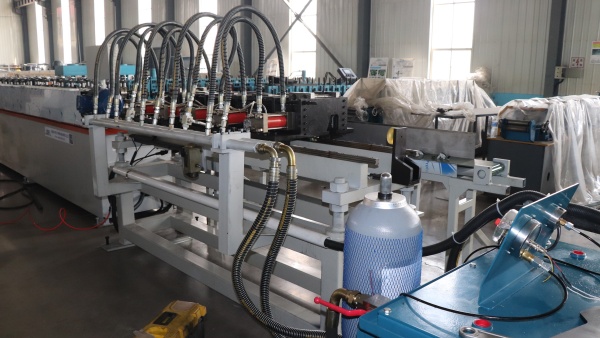
How to match the operating speeds of the three machines properly?
Main T & Cross T Rolling Forming Machine: 0-25 m/min
Wall Angle Roll Forming Machine: 0-40 m/min
The Wall Angle Roll Forming Machine fast speed comes from the simple unpierced L-shaped profile. Wall Angle parts are used far less than main and cross tees, so the machine need not run nonstop.
For practical production follow this schedule: First run the Wall Angle Roll Forming Machine to stock finished parts for one or two ceiling projects. Then shut down the Wall Angle Roll Forming Machine. Next, the Main T Roll Forming Machine and the Cross T Roll Forming Machine run at high output continuously. The Wall Angle Roll Forming Machine is only started when there is a need for replenishment. In this way, each of the three machines performs its own task, none of them is idle, and none of them is overloaded. The Wall Angle Roll Forming Machine operates very fast, which is actually a good thing - it saves materials, reduces power consumption and saves time.
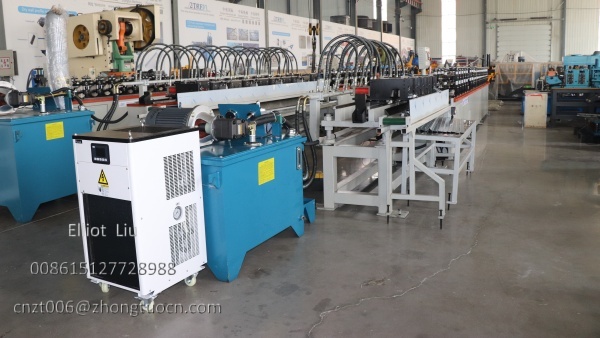
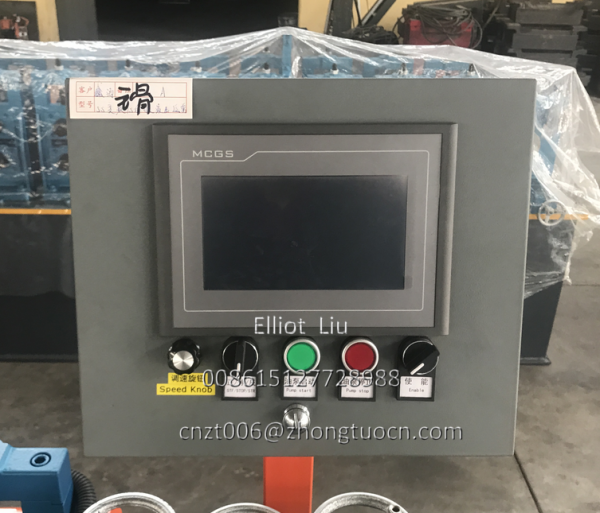
Control system - The three machines operate identically, and the workers have no difficulty.
All three machines adopt identical electrical control systems:
PLC, transducer, touch panel
Language: Chinese and English
Automatic length and quantity measurement
Computer operating panel: touching screen and button together
Safety configuration: Emergency stop switch, circuit breaker, radiator, transformer, leakage protection device
Workers mastering one machine can run the other two units. Set length and quantity then press start for automatic run and stop. There is no need for someone to keep watching all the time.
Wall Angle bone accuracy - The exposed part must be more precise
Workers mount Wall Angle against wall for full visible exposure. If it is 2 millimeters shorter, a gap will be left at the corner, which is very unattractive.
The length tolerance of the Wall Angle Roll Forming Machine is 3 meters ± 1.0 mm. The main frame machine and the secondary frame machine have a tolerance of 3 meters ± 1.5 mm. Tighter tolerance applies to exposed Wall Angle for stricter appearance standards. We have already tested this level of precision on many machines, so you don't need to worry.
What finished products can you produce? And who will you sell them to?
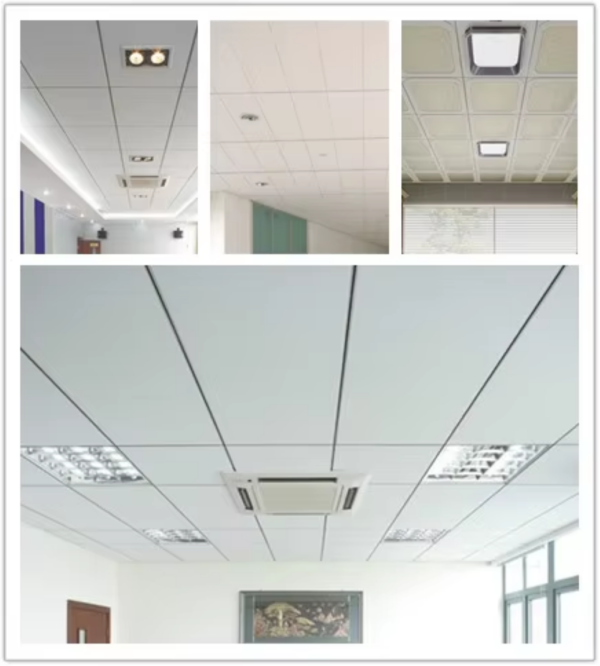
With these three machines, what you produce is a complete set of ceiling trusses:
Main tee: 38 × 24 × 3600 mm
Long cross tee: 26×24×1200 mm
Short cross tee: 26×24×600 mm
Wall angle: 22 × 22 × 3000 mm
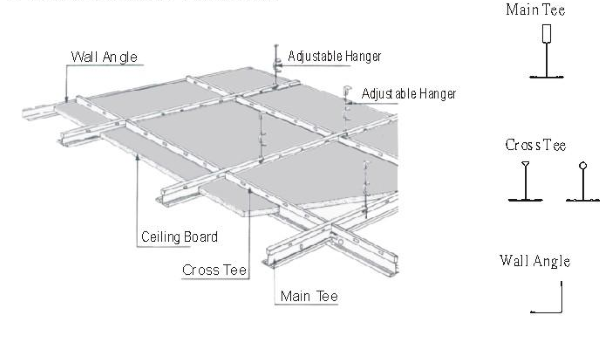
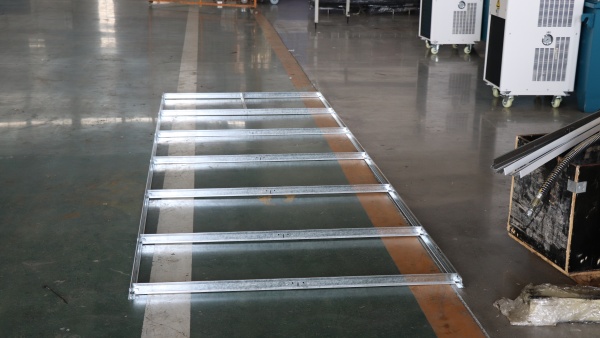
We customize other truss specifications. Combining these profiles builds standard ceiling grids. Your customers are mainly decoration companies, ceiling construction teams, and building material wholesalers. What are their biggest headaches? It's about Main tee, Cross Tee, and Wall angle from three different manufacturers. The problems include color differences and size deviations, making it impossible to install them at the construction site.
You produce it yourself, using the same steel coil to make three types of profiles. The colors will be exactly the same, and the sizes will be as per your specifications. Customers can purchase all the products from your company, which saves both time and effort. You can also get a good price for your products.
What can you do now?
You already know the dimensions, weight, speed and tolerances of the Wall Angle Roll Forming Machine. You also know how the three machines should be coordinated. Based on these figures, you can first check if the workshop can accommodate it and if the ground is sturdy enough.
If you have any other questions - such as the specific floor space requirements for the Main T Roll Forming Machine, the drilling accuracy of the Cross T Roll Forming Machine, or whether the voltage can be adjusted - please contact us directly. We won't push hard for sales; we'll just provide you with genuine answers.
Contact: Elliot liu
Email: cnzt006@zhongtuocn.com
WhatsApp: 008615127728988