
A Perfect Type Cable Tray Forming Machine and What Production Challenges It Can Solve for You
-
Jul, Thu, 2026
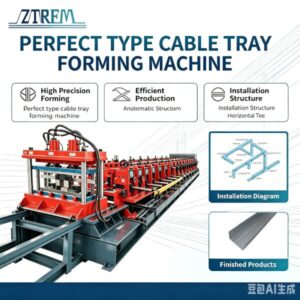
Are you looking for a cable tray supplier for your new factory? Or maybe you run a processing shop and want to add cable trays to your product line. You search online but get overwhelmed by all the technical specs, and you wonder whether a perfect type cable tray forming machine is the right fit for you.
You might worry that the machine won't work well. You might worry it won't fit in your workshop. You might worry your workers can't operate it. And you might worry even more that the trays come out with wrong dimensions or misaligned holes. Then your customer rejects them at the job site.
We want to help. We won't start by throwing numbers at you. Instead, we'll help you understand what this machine can do and what it cannot do.
What This Machine Is
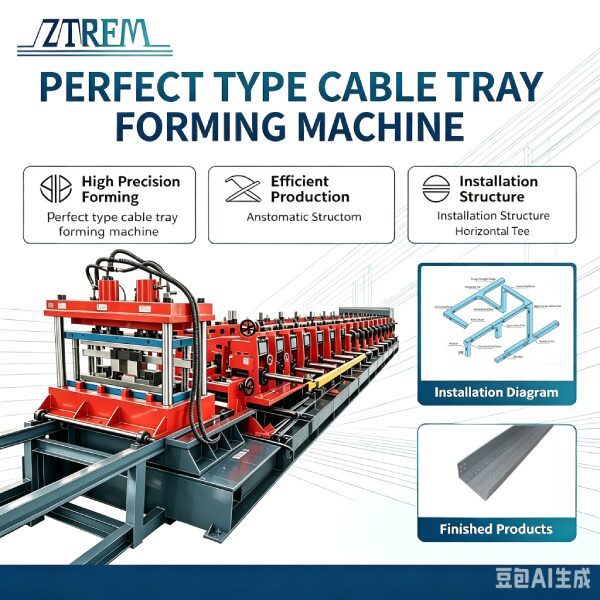
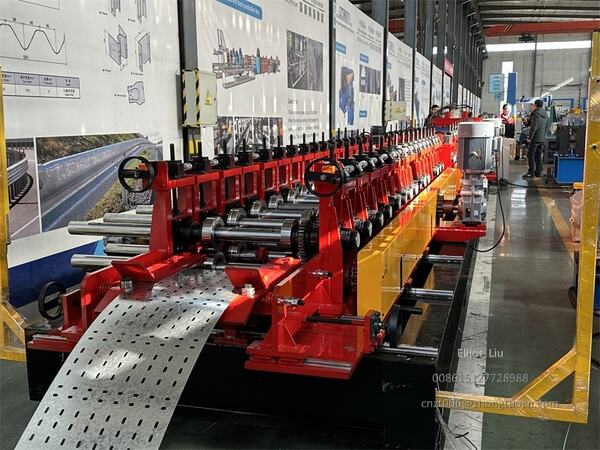
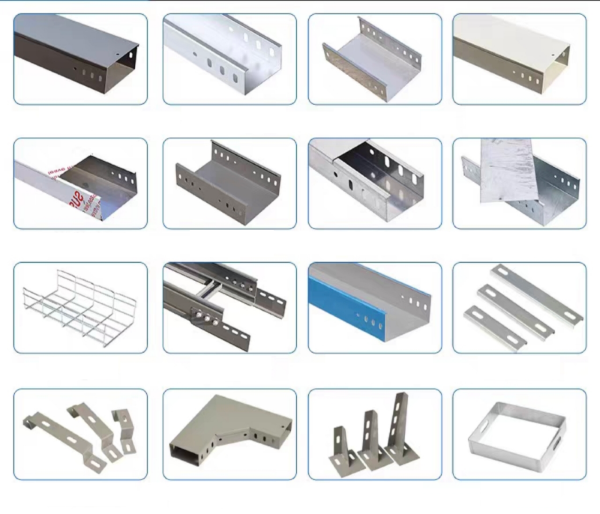
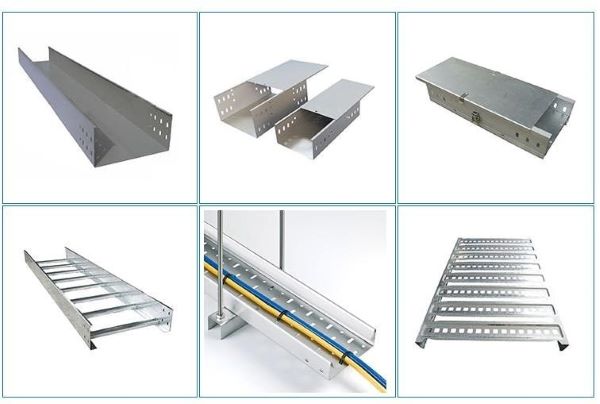
You may have read some introductions already. To be honest, most are either too vague or too technical. A perfect type cable tray forming machine is specialized equipment that uses cold roll forming to turn metal coils into cable trays. The steel strip passes through multiple roller stations and gradually bends into different cross sections. These include U channel trays, trough trays, and ladder trays.
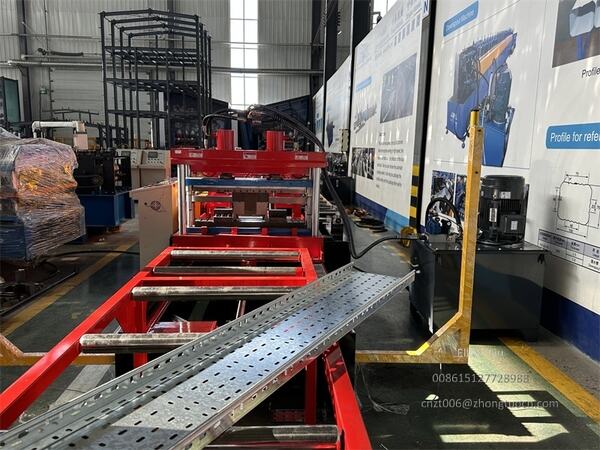
This process happens at room temperature. It does not change the material's internal structure. The finished trays have consistent strength throughout. The equipment typically includes a decoiler, a servo feeding system, a punching unit, a forming mainframe, and a hydraulic cutting device. All stations work together in one continuous line. The machine takes steel coil in one end and delivers finished trays out the other.
Where the Finished Trays Go
A perfect type cable tray forming machine produces trays that serve many applications:
-
Power cable and control cable support in industrial workshops and factories
-
Electrical and weak current cabling in commercial buildings and office towers
-
High density cable management in data centers and server rooms
-
Long distance outdoor cable routing for solar farms and renewable energy projects
-
Side wall cable supports in rail transit tunnels and underground pipe galleries
-
Cable protection in corrosive environments like chemical and pharmaceutical plants
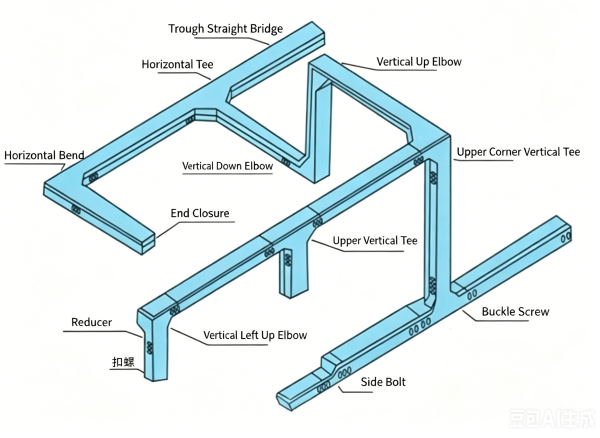
Cable tray installation diagram 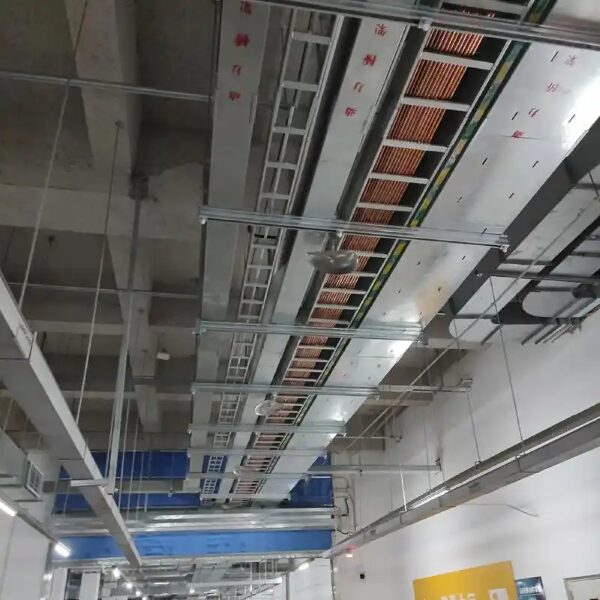
Finished product application
How the Machine Runs
Understanding the process helps you decide if this equipment fits your workshop. A perfect type cable tray forming machine follows several clear steps. Each step has its own design logic.
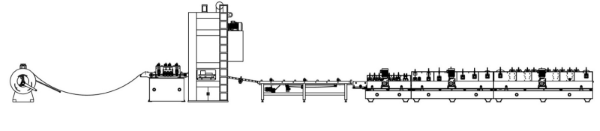
The steel coil sits on the decoiler. The machine holds the coil and releases the strip at a steady speed. The servo feeder pushes the strip forward precisely according to the set length. This ensures every piece has the correct dimensions.
The punching unit makes mounting holes and ventilation holes on the strip. It also cuts the strip to the required length at the same station. Then the conveyor platform moves the cut piece into the forming mainframe. Multiple roller sets gradually bend the flat plate into the tray shape.
Finished trays come out from the machine tail. Workers inspect and bundle them right at the discharge table.
Common Mistakes When Choosing a Machine
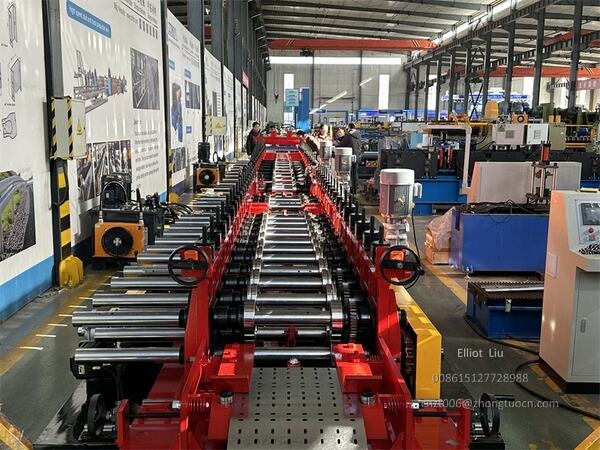
Many buyers focus only on price when they search online. But the real factors that determine whether a machine suits you are different. The number of forming passes decides the precision and surface quality of the finished tray. More passes mean less deformation per roller. The steel takes uniform pressure. Springback stays small. Dimensions remain stable.
If you need to produce thick plates or complex section trays, a machine with too few passes may give you twisted or cracked products. The roller material directly affects service life and maintenance cost.
Cr12 bearing steel rollers with heat treatment have much higher hardness and wear resistance than ordinary carbon steel rollers. Cheap machines use soft rollers. They wear out in six months and leave grooves. The trays come out uneven on both sides. Then you have to pay for new rollers.
The control system determines how fast you can change sizes. Machines with PLC and a touchscreen let you enter width, length, and hole spacing. The machine adjusts itself automatically. Without this system, changing sizes may take half a day. You simply cannot take small batch orders.
What Production Speed Really Means
Have you noticed that a higher speed number does not always mean a better machine? The production speed of a perfect type cable tray forming machine is usually given in meters per minute. But you should not look at this number alone.
Speed depends on plate thickness, hole density, cutting frequency, and other factors. Thin plates run faster. Thick plates need slower speeds to maintain forming quality. More holes and more frequent cutting reduce the actual average speed.
More importantly, faster is not always better. Excess speed increases springback and makes dimensions unstable. The hole edges may also develop burrs. A well designed machine finds a balance between speed and precision. This lets you get stable output while maintaining quality.
Technical Reference Table
The following parameters come from the actual configuration of this equipment. A perfect type cable tray forming machine has these core specifications. You can adjust them based on your needs.
| Parameter | Value |
|---|---|
| Applicable strip thickness | 0.5-2.0 mm |
| Finished tray width range | 50-600 mm |
| Finished tray height range | 50-100 mm |
| Finished tray length range | 2000-6000 mm |
| Forming speed | 6-12 m/min |
| Number of forming passes | 26 stations |
| Punch press capacity | 200 tons (Yangli brand) |
| Main shaft diameter | 65 mm |
| Roller material | Cr12 |
| Machine footprint (L×W×H) | 35×2×2 m |
Maintenance and Consumables
Buying a machine is not a one time expense. You need to know the ongoing maintenance costs. A perfect type cable tray forming machine uses punching dies that are wear parts. They need sharpening or replacement after a certain number of strokes. The actual service life depends on plate thickness and punching frequency.
Hydraulic oil and gear oil also need regular replacement. Follow the schedule in the operation manual. Daily maintenance includes checking lubrication at each station, tightening bolts, and cleaning metal chips off the machine surface.
These tasks are not complicated. One trained worker can handle them.
Other Cable Tray Models
How to Choose the Right Configuration
Before you contact a supplier, think through a few things first. What tray types do you usually make? What width and thickness ranges do your orders require? What is your expected monthly output? These questions determine the machine's basic configuration and speed requirements.
Take some time to clarify these points before reaching out to suppliers. It will make your communication much more efficient. We also help you find the best configuration based on your specific conditions. We do not simply sell you a standard machine.
Whatever concerns you had when you first started searching, whether it was budget, getting the wrong specs, or after sales support, we can tailor a solution for your actual production needs. Tell us your requirements. We will give you straight, practical advice.
Other articles
Precision Engineered Cable Tray Production Line
Perforated Cable Tray Forming Machine for 50-600mm Variable Width
Email: cnzt006@zhongtuocn.com
WhatsApp: 008615127728988